

NADA Car Search Secrets Revealed
Understanding NADA Car Search: Your Ultimate Vehicle Valuation Guide
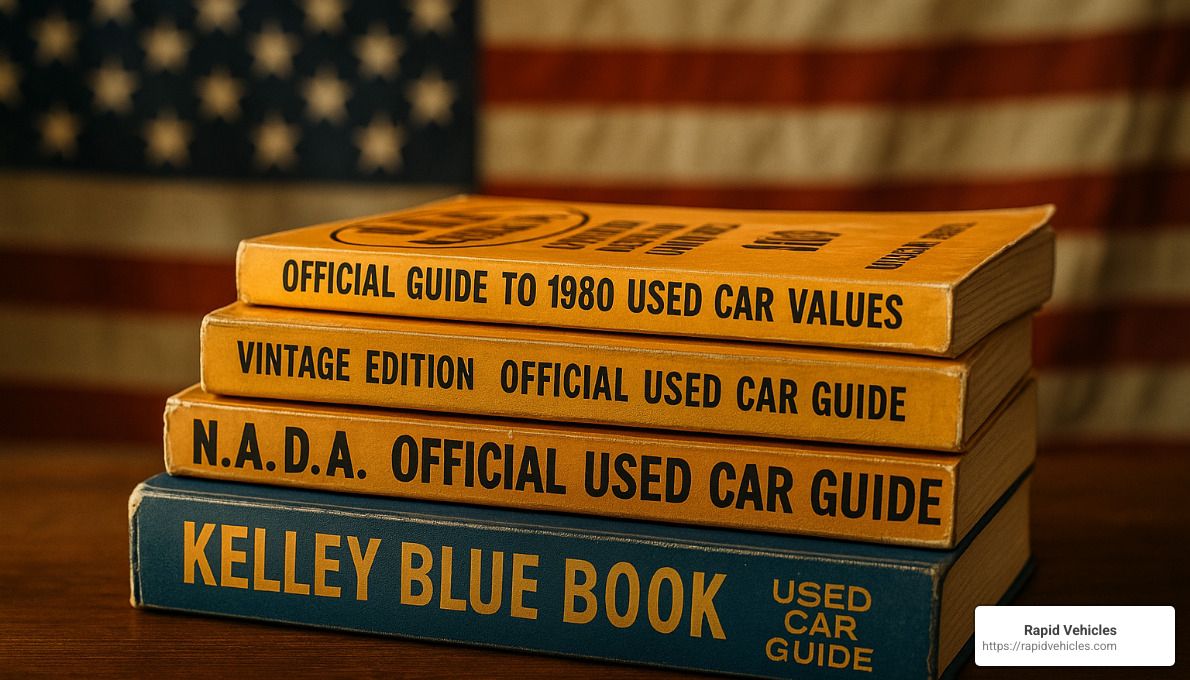
Ever wondered what your car is really worth? That's where the NADA car search comes in – your trusty sidekick in the sometimes confusing world of vehicle valuations.
Think of NADA car search as that knowledgeable friend who always knows what cars are selling for. It's an online tool from the National Automobile Dealers Association (now part of J.D. Power) that gives you the real scoop on vehicle values based on actual market data, not just wishful thinking.
When you use this handy tool at NADAguides.com (now J.D. Power Values), you'll just need your vehicle's year, make, and model – though plugging in the VIN will get you even more precise results. Within seconds, you'll see what your vehicle is worth as a trade-in, its retail value if you were buying it at a dealership, detailed specifications, and even photos. The best part? Basic searches are completely free for consumers, while professional users can access more detailed information for $99 per year.
Since 1933, NADA car search has been the go-to resource for both dealers and everyday car owners looking for honest, reliable valuations. What makes it special is how comprehensive it is – you don't just get one number and call it a day. Instead, you receive a complete picture with trade-in values (broken down by condition: rough, average, or clean), retail values, and loan values. This gives you a full 360-degree view of your vehicle's worth in different scenarios.
The secret sauce behind NADA's accuracy is its diverse data sources. Unlike some guides that might rely on limited information, NADA blends wholesale auction results, actual retail transactions, manufacturer data, and even economic factors to give you values that truly reflect what's happening in the market right now. When J.D. Power brought NADA Guides under its wing in 2017, they kept this trusted approach while making the digital experience even better.
Whether you're heading to the dealership for a trade-in, listing your car for sale online, or just curious about what your vehicle is worth after all these years, NADA car search gives you the confidence of knowing you're working with reliable, objective information. No more wondering if you're getting a fair deal – now you'll know.
What Is NADA & How Its Values Are Calculated
The National Automobile Dealers Association (NADA) has been a cornerstone of vehicle valuation since 1933, when it first began helping dealers establish standardized vehicle values. Today, after being acquired by J.D. Power in 2017, the NADA Guides (now J.D. Power Values) continue to be one of the most trusted names in the automotive industry when it comes to determining what vehicles are truly worth.
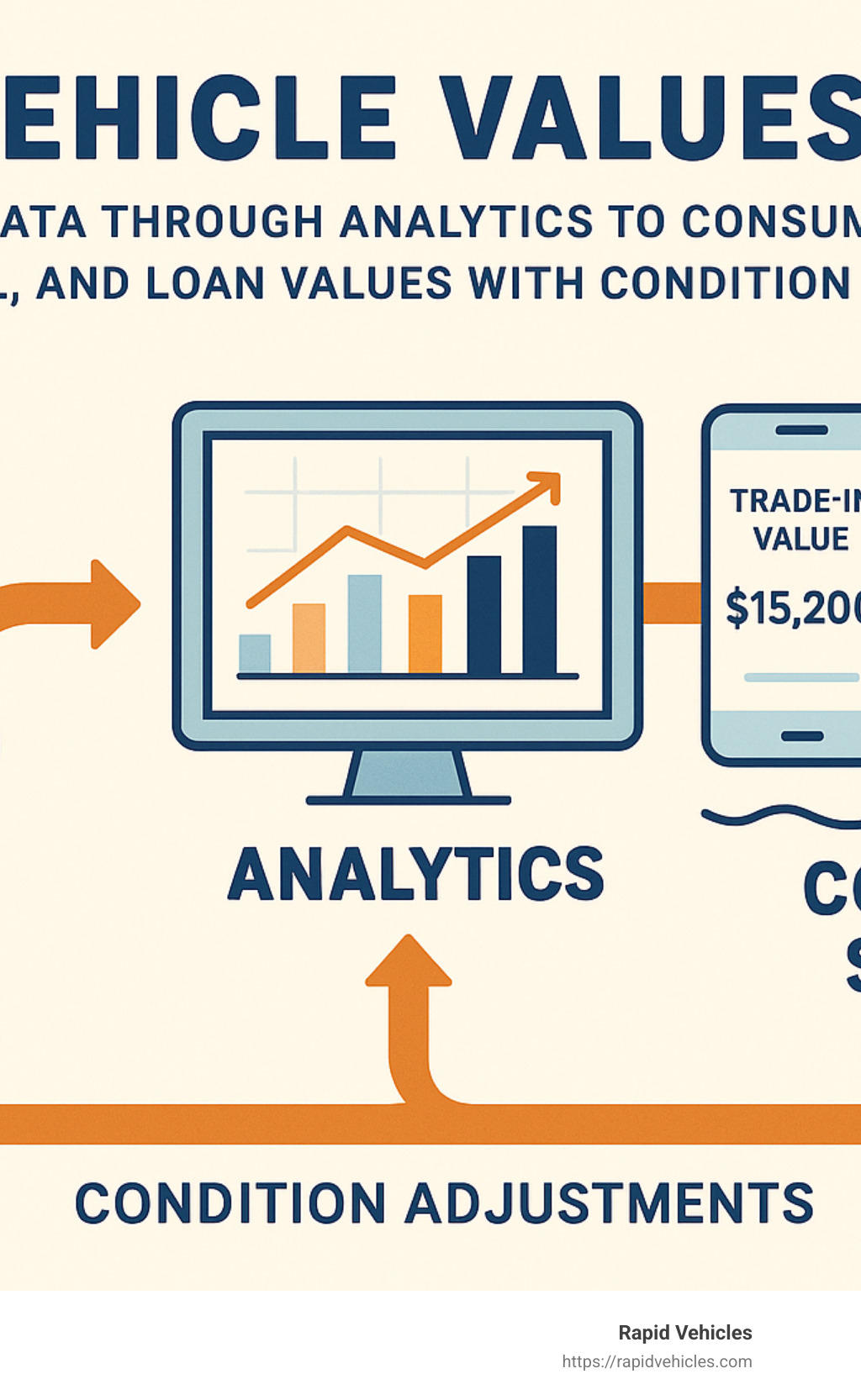
Ever wonder how NADA comes up with their values? It's not guesswork or magic—their approach is thoroughly data-driven, pulling from multiple reliable sources:
Wholesale transactions feed into their system, showing what dealers are actually paying for vehicles at auctions and in dealer-to-dealer sales. Retail transactions provide real-world evidence of what consumers are willing to pay. Manufacturer data directly from automakers gives precise information about specifications and features. And broader market factors like supply and demand, economic trends, and seasonal patterns round out the picture.
What makes NADA car search particularly helpful is how it classifies vehicles into three distinct condition tiers for trade-in values:
Rough Trade-In represents vehicles with noticeable mechanical or cosmetic problems—the kind that need significant work. Average Trade-In covers vehicles showing normal wear and minor defects but no major mechanical issues. Clean Trade-In describes well-maintained vehicles with minimal wear that are mechanically sound.
When you're shopping for a used car, NADA shows you the "Clean Retail" value—essentially what you might expect to pay at a dealership for a well-maintained vehicle of that model.
One thing many people don't realize is that NADA's expertise goes well beyond just cars and trucks. Their valuation services extend to motorcycles, powersports vehicles like ATVs and UTVs, recreational vehicles, boats and personal watercraft, and even manufactured housing. This makes NADA car search incredibly versatile for anyone dealing with various types of vehicles.
How NADA Stands Out
In a field with several competitors, NADA distinguishes itself in some important ways. While all major valuation services aim for accuracy, NADA has developed its own unique approach over its 90-year history.
NADA values tend to run slightly higher because they assume vehicles are in good condition, unlike some competitors that factor in more condition variables from the start. With its roots in dealer-to-dealer transactions, NADA has particularly robust data on wholesale values.
The breadth of NADA's coverage is truly impressive—from budget-friendly economy cars to luxury vehicles, motorcycles to manufactured homes. And it's not just consumers and dealers who rely on NADA; banks, insurance companies, and government agencies all use NADA values as trusted references.
Here's a summary of what makes NADA's approach special:
| Data Input | Processing Method | Output Values | Unique Features |
|---|---|---|---|
| Wholesale auctions | Proprietary algorithms | Trade-in (3 conditions) | 90+ years of historical data |
| Retail transactions | Economic adjustments | Clean retail | Coverage of specialty vehicles |
| Manufacturer data | Regional market analysis | Loan value | Professional industry subscriptions |
| Market supply/demand | Condition standardization | Auction values (3 tiers) | Integrated with dealer systems |
Accuracy & Updates
In today's fast-moving automotive market, outdated information can cost you thousands of dollars. Thankfully, NADA keeps pace with market changes through frequent updates and careful analysis.
NADA car search values are refreshed weekly to reflect current market conditions—crucial in times of rapid price changes. Their system applies macro-economic filters to account for broader economic trends affecting vehicle values. They also factor in seasonality adjustments (ever notice how convertibles command higher prices in spring, or how 4WD vehicles become more valuable when winter approaches?).
Regional variations are also carefully considered, as vehicle values can differ significantly depending on where you live. A pickup truck might be worth more in rural Montana than in downtown Manhattan, and NADA's system accounts for these geographic differences.
There's a difference between what consumers and dealers see. While anyone can access basic valuations for free through the public website, automotive professionals can subscribe to more detailed data services. The NADA Official Used Car Guide provides pricing going back 12 years for passenger cars and light-duty trucks and SUVs, with professionals able to access this comprehensive data for $99 annually.
As NADA representative Mike Stanton once put it: "In any market environment, it would be important to have the kind of reliable information and competitive edge that NADA Online gives you; but in today's struggling economy, it could be a matter of survival." His words highlight just how critical accurate valuations are in the automotive world.
Mastering the NADA Car Search Tool
Ready to find what your car is really worth? The NADA car search tool (now under J.D. Power Values) makes finding accurate vehicle valuations surprisingly simple. Think of it as your financial GPS when navigating the often confusing world of car values.
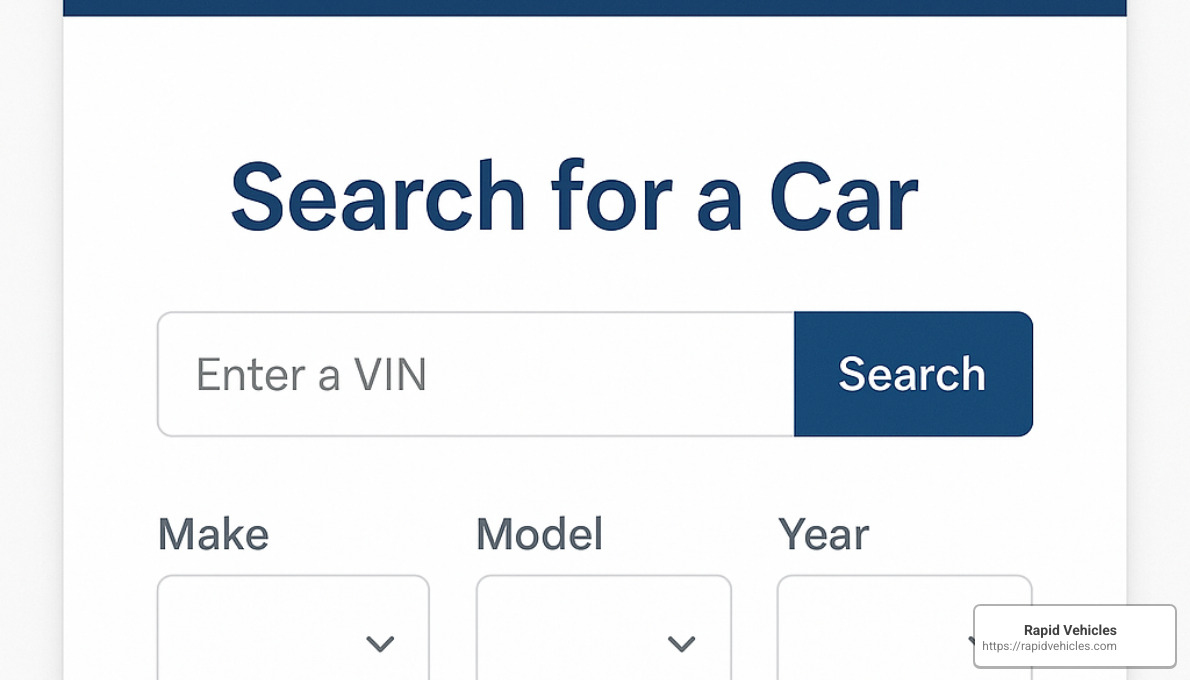
When you first land on the site, you'll notice two main paths to identify your vehicle. You can either punch in your 17-digit VIN (the smarter choice for accuracy) or manually select your year, make, model, and trim. Using your VIN is like bringing your car's birth certificate—it automatically identifies all those factory-installed options without any guesswork on your part.
As Richard Arca from Edmunds wisely points out, "Entering a VIN or license plate yields a more accurate appraisal and may raise the vehicle's value." Who doesn't want their car valued a bit higher, especially when it's legitimately deserved?
Beyond just identifying your vehicle, the NADA car search lets you personalize your results in meaningful ways. You can pinpoint your location (crucial since a convertible in Miami is worth differently than the same car in Seattle), select how well you've maintained your vehicle, and even account for those aftermarket additions you're so proud of (though fair warning—that expensive sound system rarely adds the value you might hope).
What makes this tool particularly valuable is seeing multiple perspectives at once. Rather than just one number, you'll see what your car is worth as a trade-in, at retail, and often as a loan value too—giving you a complete financial picture.
Step-by-Step NADA Car Search
Let me walk you through getting the most accurate results with your NADA car search, just as I would guide a friend:
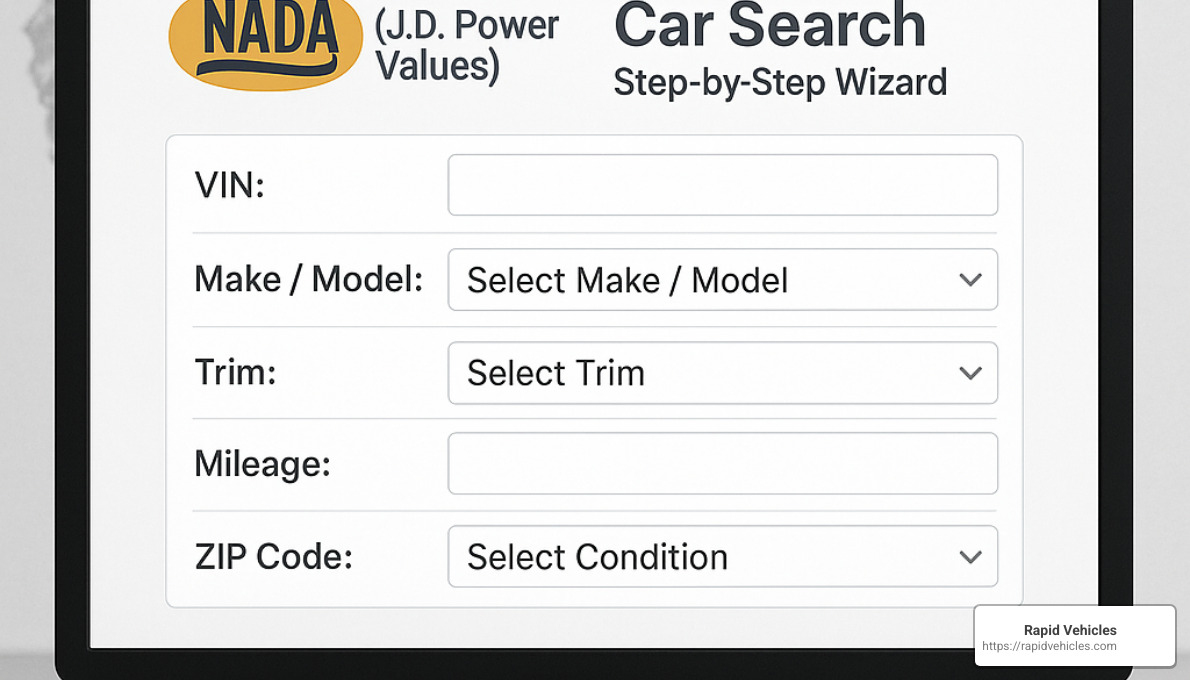
First, head over to NADAguides.com (now J.D. Power Values). Once there, you'll need to decide whether to enter your VIN (my recommendation for spot-on accuracy) or manually select your vehicle details.
If you go the manual route, take your time selecting the correct year, make, and model. Then comes the important part—choosing the right trim level. The difference between a base model and a premium package can be thousands of dollars, so be precise here.
Next, verify all those factory-installed options and enter your car's actual mileage. Don't round down—honesty pays off here with accuracy. Now enter your ZIP code so the system can adjust for your local market conditions. A 4WD truck commands different prices in Montana versus Florida, after all.
Be realistic when selecting your vehicle's condition. Most of us think our cars are in better shape than they really are—it's human nature to overlook those little dings and worn spots we see every day.
After clicking "Submit," you'll see your results displayed clearly—typically showing trade-in value, retail value, and loan value. Take a moment to save or print these results as a PDF. This documentation becomes your secret weapon during negotiations, whether you're selling, trading, or insuring your vehicle.
Common NADA Car Search Mistakes
Even car enthusiasts make mistakes when using the NADA car search tool. Avoiding these common pitfalls will save you both money and frustration.
The biggest blunder? Overestimating condition. As Richard Arca observes, "Few cars truly qualify as 'outstanding' despite many owners believing so." We all love our vehicles, but being brutally honest about condition gives you realistic expectations and stronger negotiating power.
Many users also forget about mileage adjustments. That odometer reading significantly impacts your car's value, especially for newer vehicles where each mile can swing the value by approximately $0.10 above or below average. Those road trips add up!
Skipping the ZIP code entry might seem minor, but it's actually crucial. A convertible in sunny California might fetch a premium, while the same car in rainy Seattle could be worth considerably less. Regional demand matters enormously.
Another costly error is confusing retail and trade-in values. They serve different purposes—retail represents what dealers charge customers, while trade-in shows what dealers might pay you. The gap between these numbers can be substantial, sometimes thousands of dollars.
Don't expect full value for those aftermarket modifications either. That custom exhaust system you adore might actually decrease value for some buyers who prefer stock vehicles. Modifications rarely return their investment dollar-for-dollar.
Finally, not saving your results means losing valuable leverage. Without documentation, you're at the mercy of the other party's "recollection" of vehicle values. Always keep that PDF handy when heading into negotiations.
By avoiding these mistakes, your NADA car search becomes a powerful tool in your automotive financial toolkit. Whether buying, selling, or just satisfying curiosity about your vehicle's worth, accurate information is your best ally in making smart decisions about your wheels.
What You'll Need & What You'll Get Back
Ready to dive into your NADA car search? Let's make sure you've got everything you need before you start. Think of it like preparing for a road trip – a little preparation goes a long way!
First, you'll want to have your vehicle's VIN handy. This 17-digit code is like your car's DNA – it contains everything about your vehicle's make, model, and factory options. You can usually spot it peeking through your windshield on the driver's side dashboard, or check your registration or insurance card if you're comfy on the couch.
Your odometer reading is another must-have. Those miles matter! Each one affects your vehicle's value, so be honest about that number (even if you took the scenic route a few too many times).
If you don't have your VIN, no worries! Just gather a list of your vehicle's factory options. Was it born with leather seats? Sunroof? That fancy stereo system? Knowing these details helps nail down an accurate valuation.
Don't forget your ZIP code – car values swing significantly based on where you live. That 4x4 truck might be worth its weight in gold in snowy Montana but considerably less in sunny Miami!
And of course, you'll need an internet connection. NADA's tool is entirely online for regular folks, though professional subscribers can download some data for their offline valuation trips.
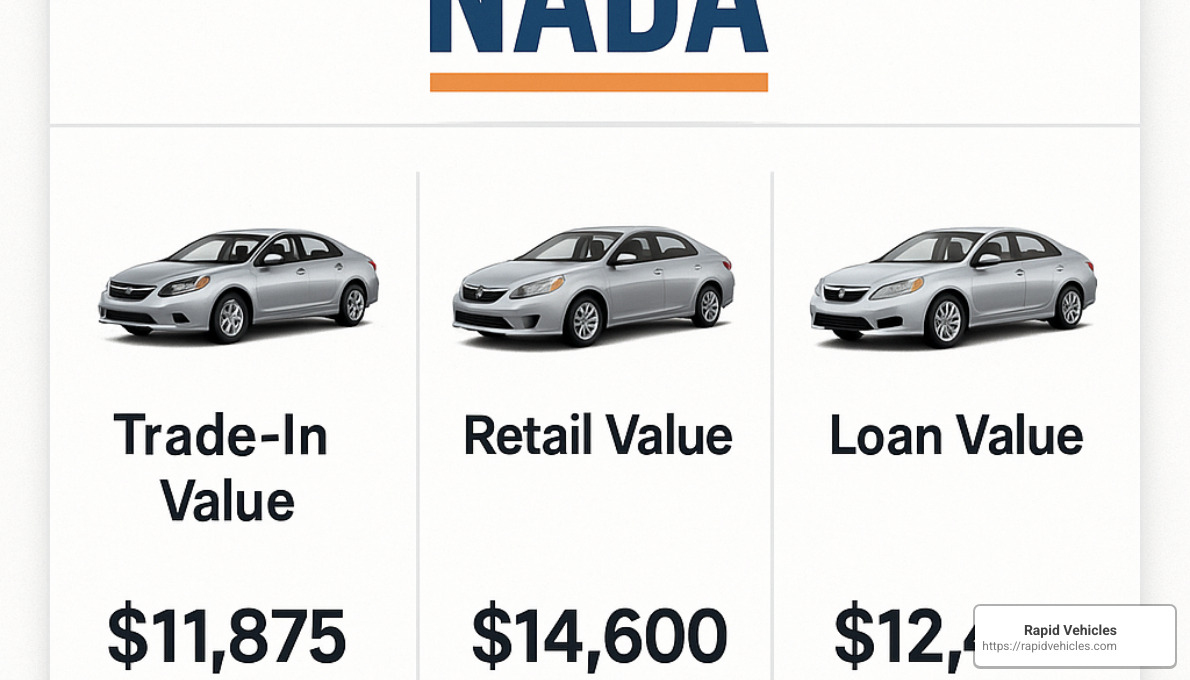
Once you complete your NADA car search, you'll get a treasure trove of information. The report includes trade-in values at different condition levels (rough, average, and clean), so you'll know what to expect if you're heading to a dealership. You'll also see the retail value – handy if you're in buying mode instead.
The loan value section is particularly useful if you're planning to finance your purchase or refinance your current vehicle. Lenders use this figure to determine how much they're willing to loan against your vehicle.
Along with these values, you'll get detailed specifications about your vehicle – everything from engine size to transmission type and standard features. The report includes generic photos of your vehicle's make and model too, though they won't show your specific color or modifications.
The comprehensive nature of this information makes NADA car search an invaluable tool when you're making important vehicle decisions. It's like having a car-savvy friend in your pocket!
How NADA Handles Different Vehicles
NADA isn't just for your everyday sedans and SUVs – it's got the whole transportation family covered! One of its biggest strengths is how it handles such a diverse range of vehicles.
For cars, trucks, and SUVs, NADA offers its most detailed coverage. You'll find values for vehicles dating back to 1990 (with professional subscriptions reaching even further back). Every trim level and option is carefully considered, with three distinct condition levels for trade-in values.
Motorcycle enthusiasts will appreciate NADA's approach to bikes and powersports vehicles. The system accounts for accessories and modifications, which can significantly impact value. And if you're selling your motorcycle, timing matters – these values show more pronounced seasonal swings than cars do.
RV owners know their homes-on-wheels have unique valuation challenges. NADA handles both motorhomes and towables, accounting for the significant depreciation factors that affect these vehicles. For RVs, condition plays an even larger role in determining value – that well-maintained interior really pays off!
If your trips take you on water instead of roads, NADA has you covered there too. Boat valuations consider length, type, and manufacturer, with engine options heavily influencing the bottom line. Like motorcycles, boat values rise and fall with the seasons – that speedboat is worth more when the sun is shining!
NADA even handles manufactured housing, though these values don't get updated quite as frequently as the vehicle categories. Location dramatically affects manufactured home values, along with size, features, and land ownership status.
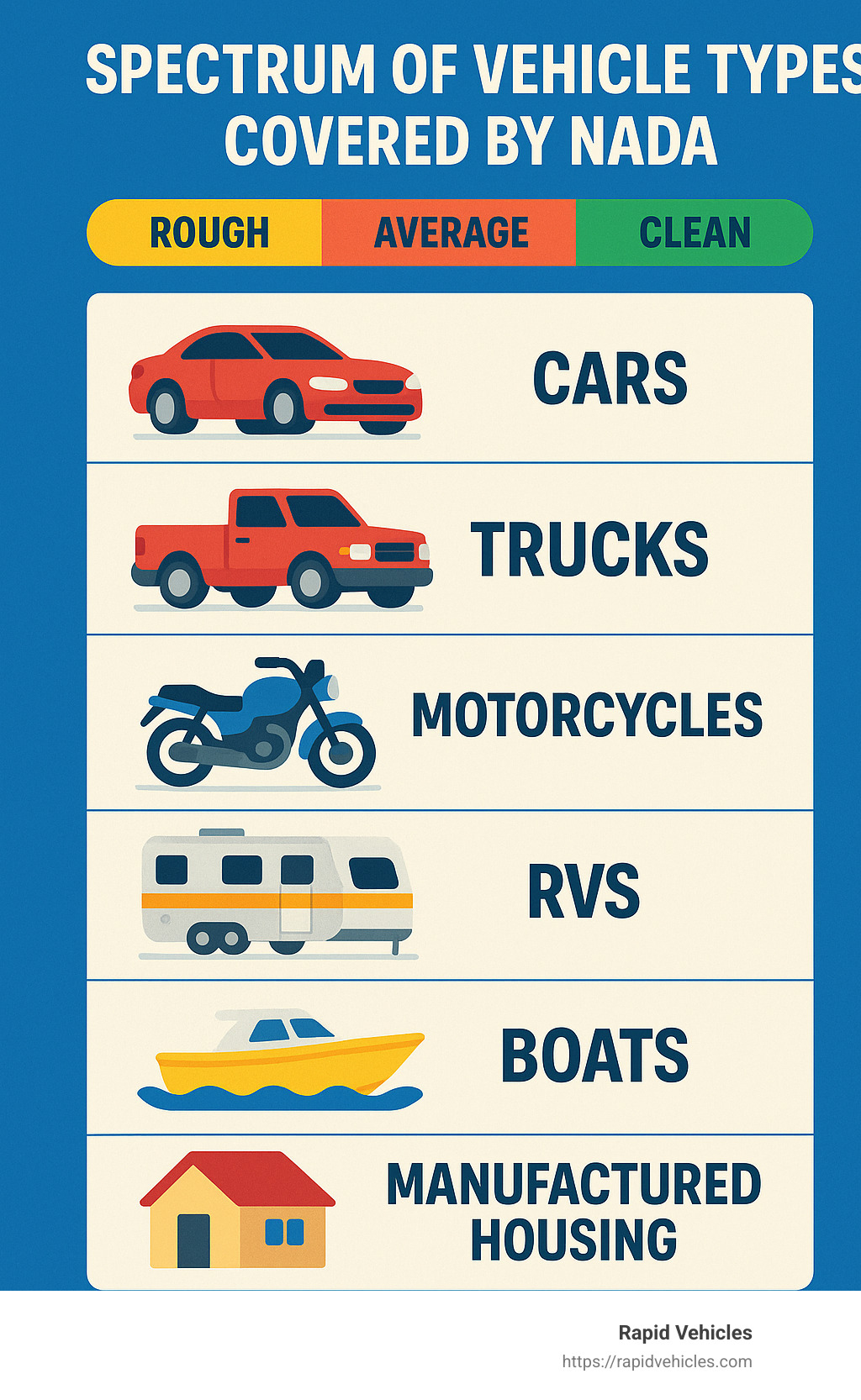
Across all these categories, NADA uses a spectrum from "Rough" to "Clean," though what constitutes "Rough" varies by vehicle type. A "Rough" boat might have different issues than a "Rough" car – one might have hull damage while the other has transmission problems.
This impressive range makes NADA car search valuable not just for your primary vehicle transactions but for all your automotive and recreational trips. Whether you're upgrading your weekend motorcycle or finally buying that fishing boat you've been eyeing, NADA helps you make informed decisions with confidence.
Using NADA Values: Buyers, Sellers & Dealers
Ever wonder how to actually use those NADA car search values once you have them? The way you'll leverage this information depends entirely on which side of the car-buying table you're sitting.
If you're shopping for a vehicle, NADA car search becomes your secret weapon at the dealership. Those retail values give you a realistic benchmark to compare against window stickers. When a salesperson claims you're getting "the deal of the century," you can confidently pull out your NADA values and separate fact from fiction. Plus, knowing the loan value beforehand helps you anticipate what financing terms to expect.
For sellers, these values are just as powerful. When listing your beloved Honda on Craigslist, you're no longer guessing at a price. With NADA car search data, you can set a fair asking price that won't scare away buyers or leave money on the table. Many savvy sellers even include "Priced according to NADA values" in their listings as a trust signal.
Dealers, of course, live and breathe by these numbers. They use professional versions of NADA car search to make split-second decisions on trade-ins, set competitive pricing for their used inventory, and justify their numbers when customers inevitably ask, "Why this price?"
Beyond buying and selling, these values serve important financial purposes too. Banks rely on NADA car search to establish collateral value for auto loans. Insurance companies reference these figures when determining total loss values. Even divorce attorneys and estate planners use these valuations when dividing assets.
While consumers enjoy free access to basic valuations, professionals typically pay for more. The NADA Official Used Car Guide professional subscription runs $99 annually and delivers 12 years of comprehensive pricing data plus deeper analytics. As Mike Stanton from NADA puts it: "This gives dealers and auction-goers quick, easy access to all the key information they need to make well-informed buying and selling decisions on the go."
Benefits & Limitations
Like any tool, NADA car search comes with both strengths and weaknesses worth understanding.
On the plus side, you're tapping into automotive valuation royalty. With roots stretching back to 1933, NADA values carry serious weight in negotiations. When you show a dealer the NADA car search value on your phone, they recognize and respect that source.
The multiple perspectives offered – trade-in, retail, and loan values – give you a complete picture rather than just one number. This helps you understand the entire value spectrum of your vehicle.
Perhaps most impressive is the breadth of coverage. While many people think of NADA car search as just for cars and trucks, it extends to motorcycles, RVs, boats, and even manufactured housing. Try finding that range with other valuation tools!
That said, NADA car search isn't perfect. The system tends to assume vehicles are in "clean" condition, which might not reflect reality for many cars on the road. Consumer access typically doesn't include vehicles older than 1990, so classic car enthusiasts may need specialized resources.
While ZIP code adjustments help regionalize values, they can't capture every local market quirk. That pristine Jeep Wrangler might command premium prices in your outdoor-loving mountain town beyond what NADA car search suggests.
And those lovingly installed aftermarket upgrades? Unfortunately, NADA car search rarely gives them full value recognition. That $2,000 custom sound system might bring you joy, but it probably won't add $2,000 to your trade-in value.
Real-World Scenarios
Let's see how real people use NADA car search in everyday situations:
Sarah was trading in her 2018 Honda Accord for a newer model. Before visiting the dealership, she used NADA car search to determine her car's "clean" trade-in value was $16,800. When the dealer offered only $15,000, she confidently pulled up the NADA valuation on her phone and explained why her carefully maintained vehicle qualified as "clean." Faced with informed resistance, the dealer increased their offer to $16,200 – putting an extra $1,200 in Sarah's pocket through simple preparation.
Michael wanted to sell his 2015 Ford F-150 privately. The NADA car search showed a clean retail value of $24,500 and a clean trade-in value of $21,000. Understanding that private party sales typically fall between these numbers, he listed his truck for $23,000. This strategically chosen price point, backed by NADA data, attracted serious buyers who recognized it as fair. His truck sold within two weeks – no endless haggling required.
Jennifer was stuck with a high interest rate on her car loan from when her credit was less stellar. She used NADA car search to determine her vehicle's current loan value and finded it was worth more than she owed. Armed with this positive equity information, she approached a credit union for refinancing. The loan officer verified the collateral using the same NADA values, and Jennifer secured a new loan at a significantly lower rate – saving thousands over the remaining loan term.
For BMW owners looking to maintain their vehicle's value, RapidVehicles.com offers high-quality accessories and parts that help keep your car in top condition. While modifications rarely add significant value at trade-in time, proper maintenance with quality parts certainly helps maintain your vehicle's "clean" condition status. Learn more about automotive upgrades
Frequently Asked Questions about NADA Car Search
How accurate are NADA values?
When you're making a big decision like buying or selling a car, you want values you can trust. NADA car search values are widely respected in the automotive world, with dealers, banks, and insurance companies relying on them every day.
What makes these values so reliable? They're built from a mix of real-world data – actual wholesale transactions, retail sales, and manufacturer information. It's like getting advice from someone who's watched thousands of car deals happen, rather than just guessing.
That said, no system is perfect. NADA tends to assume vehicles are in good condition, which sometimes leads to slightly higher valuations compared to other guides. Your results will be most accurate when you:
- Enter the correct VIN or exact trim and options (this makes a huge difference!)
- Be brutally honest about your vehicle's condition (we all love our cars, but be realistic)
- Specify your location (prices in Miami are different than in Minneapolis)
- Search for mainstream models (that rare limited edition might be harder to value precisely)
Even with weekly updates, extremely rapid market changes (like we saw during the pandemic) can sometimes outpace the valuations temporarily. But for most everyday situations, NADA car search provides values you can confidently take to the negotiating table.
Can I search very new or very old vehicles?
For the newest models: Yes! NADA is quick to add fresh-off-the-assembly-line vehicles. When a brand new 2024 or 2025 model has barely hit the streets, NADA uses clever predictive models based on similar vehicles and typical depreciation patterns to estimate values.
For that just-released model, you'll find new car pricing right away, but the used values are more like educated guesses until enough real sales happen. A helpful rule of thumb: a new vehicle typically loses 5-10% of its value in the first few months, plus about 10 cents per mile driven.
For vintage vehicles: Here's where things get a bit tricky. The consumer version of NADA car search generally stops at 1990 models. If you're trying to value your grandfather's 1965 Mustang or other classics, you'll need to look elsewhere:
Professional NADA subscriptions do cover some older models, but for true classics, specialized valuation services or price guides are your better bet. Many collectors check completed sales on auction sites to gauge the market for vintage vehicles.
As industry experts point out, for pre-1990 models, using owner listings on automotive marketplaces or completed sales as a proxy can be helpful.
Is there a cost for consumers?
Good news! Basic NADA car search is completely free for everyday consumers through the public website (now called J.D. Power Values). This free access gives you plenty to work with:
You'll get current trade-in and retail values for most vehicles dating back to 1990, basic specs and features for your vehicle, and general market information. For most car shoppers or sellers, this free version provides everything you need to make smart decisions.
For those who need the deep-dive data, paid options are available:
The NADA Official Used Car Guide professional subscription runs $99 per year and open ups 12 years of detailed pricing data for cars, trucks, and SUVs. You'll also get historical valuations, more detailed condition adjustments, and commercial vehicle data. This subscription mainly serves dealers, banks, insurance companies, and automotive professionals who need comprehensive data for business purposes.
If you're dealing with specialty vehicles, classic cars, or need historical valuations for legal situations, you might consider the professional subscription or specialized valuation services. But for buying or selling your daily driver, the free version has you covered.
When you've determined your vehicle's value, keeping it in top condition is key to maintaining that value. Rapid Vehicles offers quality BMW and other automotive accessories that help preserve your car's condition and performance for years to come. Learn more about vehicle valuation
Conclusion
You've now got the knowledge to steer the NADA car search tool like a pro. Whether you're looking to trade in your current ride, buy something new, or just satisfy your curiosity about what your vehicle is worth, you're armed with powerful information that can save you thousands.
Think of NADA values as your secret weapon in car negotiations. These aren't just random numbers – they represent real market data from actual sales, dealer transactions, and manufacturer information. When a dealer offers you a trade-in value that seems low, you can confidently pull out your NADA valuation and make your case.
I've seen so many people walk into dealerships unprepared, only to leave feeling like they got a raw deal. Don't be that person! Take a few minutes to run a NADA car search before any vehicle transaction. Be honest about your car's condition, include all factory options, and make sure you've specified your location for the most accurate results.
Different NADA values serve different purposes. Trade-in values help when selling to a dealer, retail values guide your expectations when buying from a dealership, and loan values matter for financing. These numbers tell different parts of the same story – your vehicle's true market worth.
One of NADA's biggest strengths is its incredible range. Beyond cars and trucks, you can value motorcycles, RVs, boats, and even manufactured housing. This makes it a one-stop resource for all your vehicle valuation needs, saving you from jumping between different specialized guides.
The market moves quickly, so timing matters. NADA updates its values weekly to reflect current conditions. A valuation from three months ago might be significantly different from today's numbers, especially in our volatile automotive market. Always check values close to your transaction date for the most accurate information.
After you've determined your vehicle's value, what's next? If you're selling, focus on making small repairs and cleaning thoroughly to justify that "clean" condition rating. If you're buying, use your NADA knowledge to identify fairly-priced vehicles and negotiate effectively on overpriced ones.
For BMW owners and enthusiasts, RapidVehicles.com offers quality accessories and parts that can help maintain your vehicle's condition. While aftermarket modifications rarely add significant value at trade-in time, proper maintenance with quality parts certainly helps preserve your car's worth over time.
The NADA car search tool has evolved from printed guidebooks to a sophisticated digital platform, but its core purpose remains unchanged after nearly a century: providing trusted, data-driven valuations that level the playing field between industry professionals and everyday consumers.
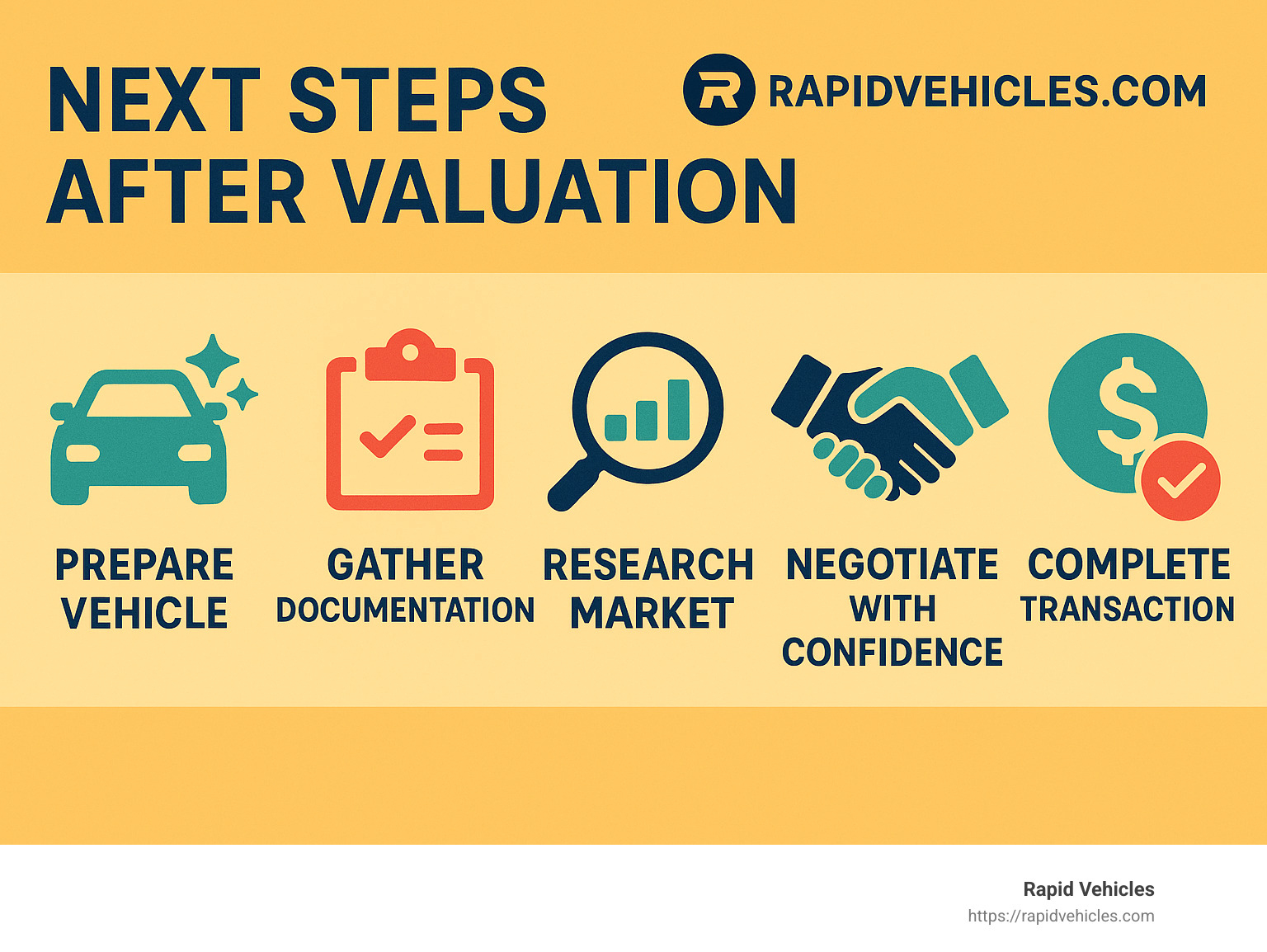
Now that you've mastered the art of vehicle valuation, you're ready to make smarter automotive decisions. Whether you're upgrading to something new or maintaining what you have, understanding your vehicle's true market value is the foundation of every smart car decision. And when you need quality parts to keep your ride in top shape, visit RapidVehicles.com for everything from diagnostic tools to custom accessories that help maintain your vehicle's value for years to come.